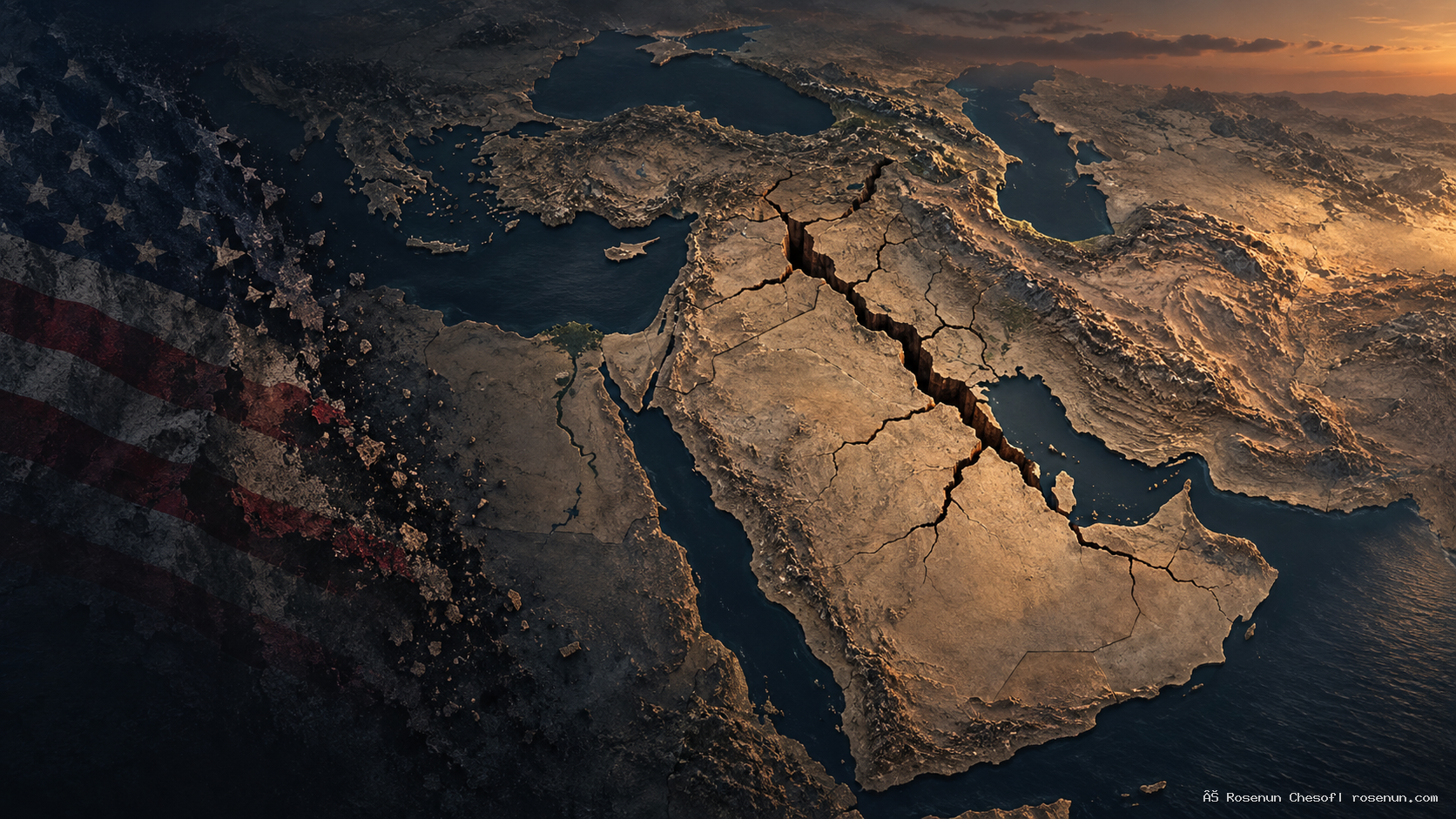
The 18th BRICS Summit, hosted by India, was held in New Delhi on September 12–13, 2026, concluding on Sunday, September 13. It took place against an unusually tense international backdrop, shaped by war in the Middle East, trade disputes, sanctions and growing pressure from US foreign and economic policy. Reuters: report from the BRICS summit in New Delhi
What stood out was not simply the sight of Xi Jinping, Vladimir Putin and Narendra Modi sharing the same stage. More significant was the ability of countries with sharply different political interests and strategic priorities to find enough common ground to endorse a joint declaration on the summit’s first day.
On September 12, BRICS members adopted the New Delhi Declaration, expressing concern over unilateral tariffs and other trade measures, opposing sanctions not authorised by the United Nations Security Council, and calling for “maximum restraint” over the conflict in the Middle East. Even Iran and the United Arab Emirates, despite their very different interests in the regional crisis, were able to sign on to the same declaration. Reuters: BRICS adopts joint declaration, urges ‘maximum restraint’ in Mideast
BRICS has often been criticised as a grouping with many members but limited consensus. The scene in New Delhi therefore raises an obvious question: why does the bloc suddenly appear more united?
Part of the answer may lie thousands of kilometres away — in Washington.
The Financial Times captured the mood with the headline “Trumpism spawns rare unity at Brics summit,” suggesting that Donald Trump’s policies are helping to create a degree of unity within BRICS that has historically been difficult to achieve. Financial Times: Trumpism spawns rare unity at Brics summit
For years, the main challenge facing BRICS has not been a lack of members or economic weight. It has been a much simpler question: what can countries with such different strategic interests and political priorities actually agree on?
China and India belong to the same grouping, yet they remain strategic competitors. Russia would like BRICS to play a larger role in challenging a Western-led international order. India, meanwhile, continues to balance relationships with Washington, Moscow and Beijing. Iran remains under heavy pressure from US sanctions, while the United Arab Emirates maintains close political and economic ties with the West.
BRICS has therefore often looked like a gathering of countries that broadly agree the existing international order does not represent them adequately, while disagreeing over what should replace it.
What happened in New Delhi may not resolve those differences. But it may be changing the equation.
A Common Pressure Can Achieve What a Common Ideology Cannot
The important point is not that BRICS has suddenly become a harmonious political family.
It has not.
What matters is that Trump’s policies are generating pressures that several of these countries increasingly recognise as shared problems.
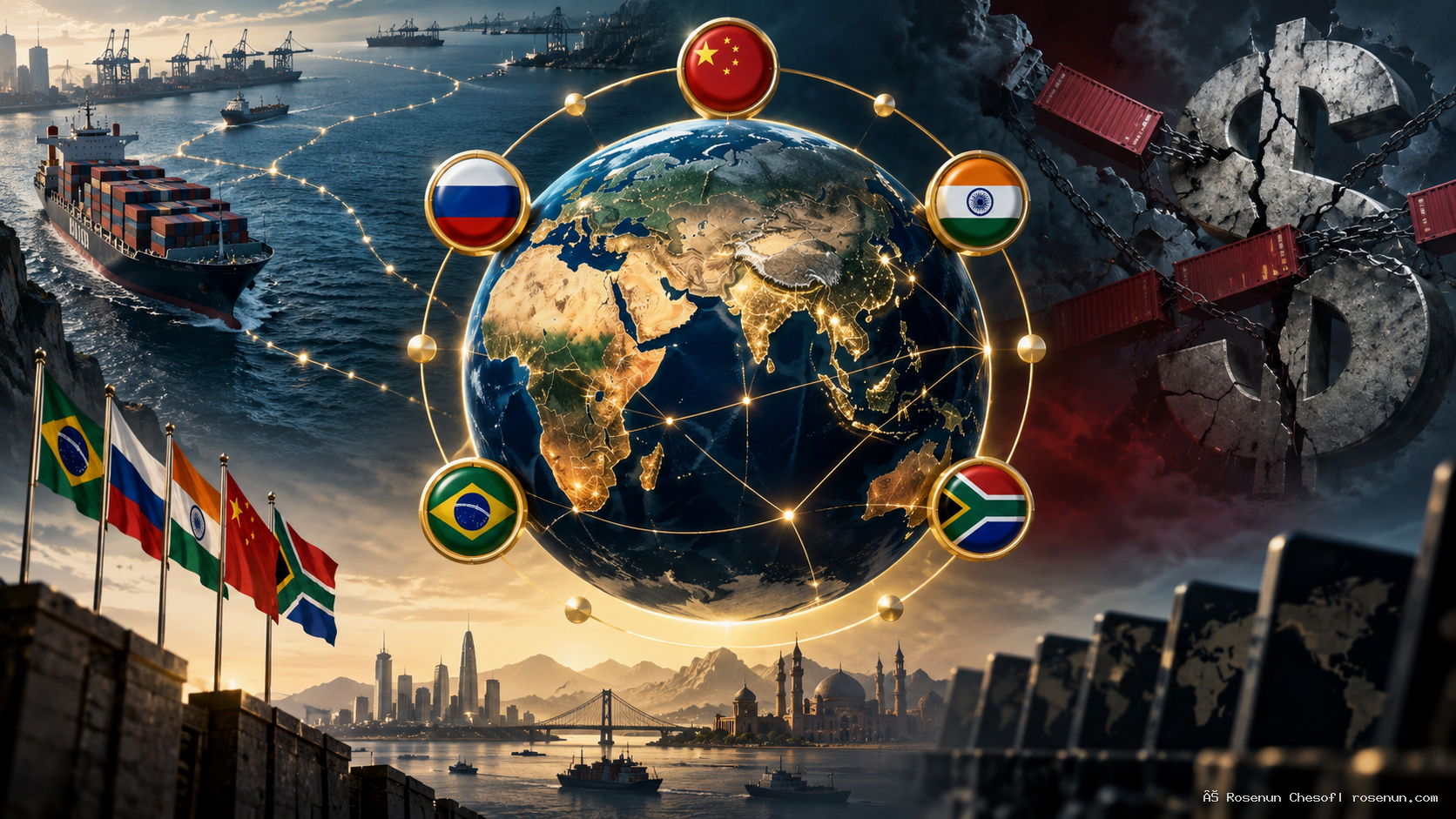
Since returning to the White House, Trump has made little secret of his suspicion toward BRICS, particularly its efforts to reduce dependence on the US dollar and increase the use of local currencies in trade. Washington’s tensions with several BRICS members therefore extend beyond geopolitics into tariffs, financial systems, trade policy and sanctions.
In 2025, Trump even threatened countries supporting what he described as BRICS’ “anti-American policies” with an additional 10 per cent tariff. Moves such as these only make the question of reducing dependence on the United States harder for BRICS members to ignore.
If China faces trade pressure, Russia remains under sanctions, Iran is restricted from parts of the international financial system, and other developing economies begin to worry that they could one day face similar measures, then alternatives become more attractive.
The logic is straightforward.
Countries do not necessarily need to overthrow the existing system. They may simply want to become less vulnerable to it.
That does not mean BRICS governments are preparing to destroy the dollar.
It means that the incentive to build alternatives is becoming stronger.
This is why the New Delhi summit placed considerable emphasis on trade and investment in local currencies, cross-border payment connectivity and an expanded role for the New Development Bank, rather than rushing towards the much more dramatic idea of a single “BRICS currency.” The Indian Express: Main takeaways from the BRICS declaration
In the long run, this may matter more than announcing a new currency.
Instead of attempting to dismantle the existing financial order overnight, BRICS members appear to be building parallel options one piece at a time.
China and India Still Compete — But They Can Still Sit at the Same Table
Another striking image from New Delhi was the ability of Xi Jinping, Narendra Modi and Vladimir Putin to present a picture of cooperation at a time when relations among many major powers elsewhere remain deeply unsettled.
China and India themselves are hardly free of tension.
They still have unresolved border disputes. They compete for foreign investment. They remain wary of each other’s security ambitions and influence across Asia.
Their ability to endorse the same declaration therefore does not mean those rivalries have disappeared.
What it does show is that BRICS can provide a political space in which competing powers cooperate when their interests overlap — particularly when they believe the existing international system does not give developing economies sufficient influence.
In other words, cooperation within BRICS does not require friendship.
Sometimes, overlapping interests are enough.
Even Iran and the UAE Found Common Ground
The Middle East conflict presented an even more difficult test.
Before the summit, Reuters suggested that differences between Iran and the United Arab Emirates could become a major obstacle to a unified BRICS declaration. Reuters: India hosts BRICS summit as Iran war tests bloc unity
Yet in the end, members managed to negotiate language acceptable to all sides, calling for “maximum restraint” and a return to dialogue and diplomacy.
Iranian President Masoud Pezeshkian also met Sheikh Khaled bin Mohamed bin Zayed Al Nahyan, Crown Prince of Abu Dhabi, on the sidelines of the summit.
None of this means BRICS has found a solution to the Middle East conflict.
But at a time when parties on opposing sides of regional crises often struggle even to maintain communication, a platform that allows them to remain in the same diplomatic space has value in itself.
BRICS Is Still Not the “NATO of the Global South”
This is where an important distinction has to be made.
China and Russia may prefer BRICS to take on a stronger geopolitical role, but countries such as India, Brazil and others did not join the grouping because they wanted to create an anti-American alliance.
India makes this particularly clear.
New Delhi wants BRICS to strengthen the bargaining power of the Global South. But India has no interest in sacrificing its economic, technological and security relationships with Western countries simply to align itself with a China-Russia camp.
This helps explain one of Narendra Modi’s most notable messages at the summit: the Global South, he argued, should move from being merely “rule-takers” to “rule-shapers.”
That formulation matters.
It does not call for the destruction of the current world order. It calls for developing countries to have a greater role in writing its rules.
Associated Press similarly reported that India has sought to present BRICS not as an “anti-Western” coalition, but as a platform for increasing the influence of developing economies within the international system. Associated Press: BRICS leaders voice concern over Middle East and condemn unilateral sanctions
Many BRICS members do not want a world without the United States.
They want a world in which the United States cannot set the terms alone.
What Trump May Be Doing Without Intending To
This is where the paradox of America First becomes most interesting.
The more Washington uses the size of the US market, the dollar, tariffs and sanctions as instruments of foreign policy, the more other countries have re