Hotspots are falling, but the situation remains volatile
Indonesia’s Forestry Ministry said the number of high-confidence hotspots nationwide fell to 1,037 on September 15, around 400 fewer than the previous day.
The decline, however, was uneven.
Central Kalimantan fell from 689 hotspots to 266, while West Kalimantan dropped from 203 to 43. South Sumatra moved in the opposite direction, rising from 116 to 245, while Jambi increased from 9 to 62.
The ministry stressed that a satellite-detected hotspot does not necessarily represent a separate wildfire. Hotspots indicate areas of unusual heat and still need to be verified against conditions on the ground.
Indonesia continues to keep 53 aircraft available in priority areas. Of these, 34 are being used for water bombing, while 19 support patrols, weather-modification operations and efforts to increase moisture levels in peatlands. ANTARA: Indonesia bolsters forest and land fire control as hotspots drop
Malaysia to join firefighting operations in Indonesia
One of the most significant developments is Indonesia’s decision to accept Malaysian assistance.
President Prabowo Subianto has agreed to Malaysia’s offer to support firefighting operations in Kalimantan.
Malaysia is preparing to send one Bombardier CL-415MP aircraft, three helicopters and 52 personnel from the National Disaster Management Agency, maritime enforcement authorities and the Royal Malaysian Air Force.
Deputy Prime Minister Ahmad Zahid Hamidi said Prabowo approved the assistance during a meeting in Indonesia, although the deployment date has yet to be announced. Bernama: Malaysia Gets Indonesia’s Nod To Help Tackle Kalimantan Fires
Malaysia’s involvement follows the earlier deployment of Japanese CH-47 Chinook helicopters and support personnel, giving the firefighting effort an increasingly regional character.
Malaysia turns to cloud seeding as air quality remains poor
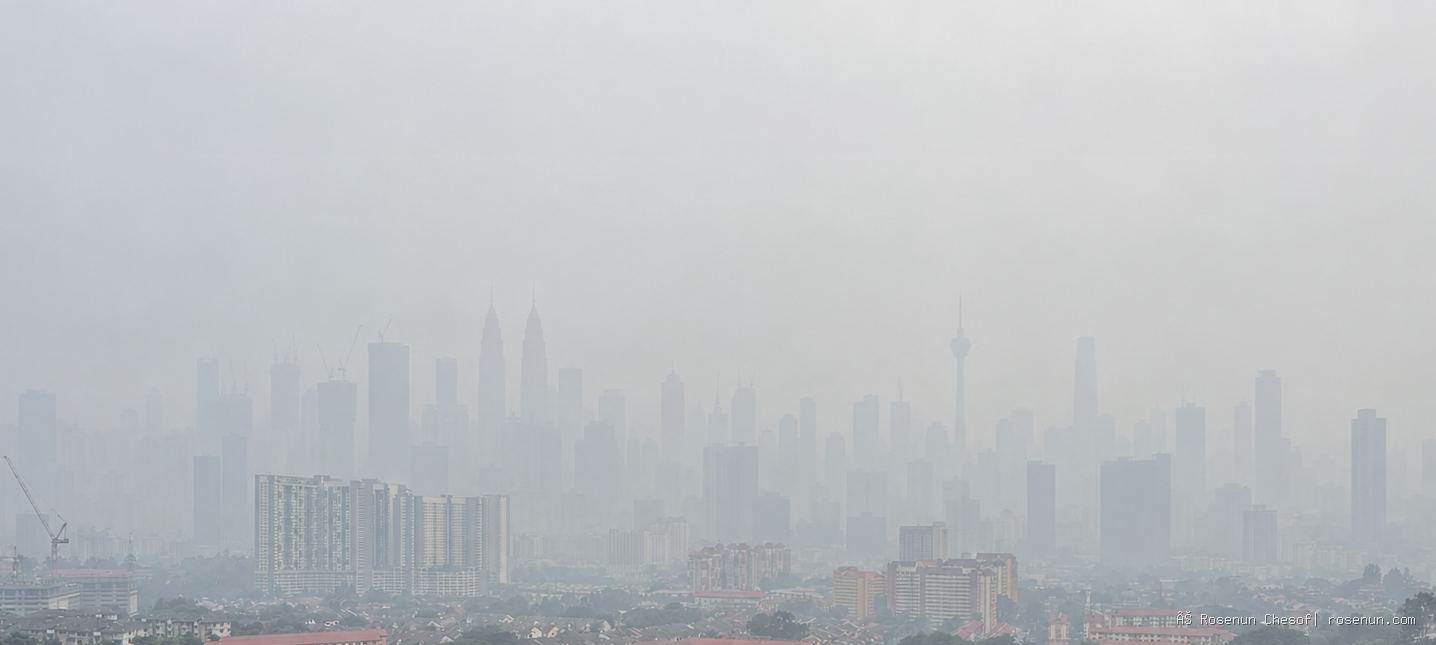
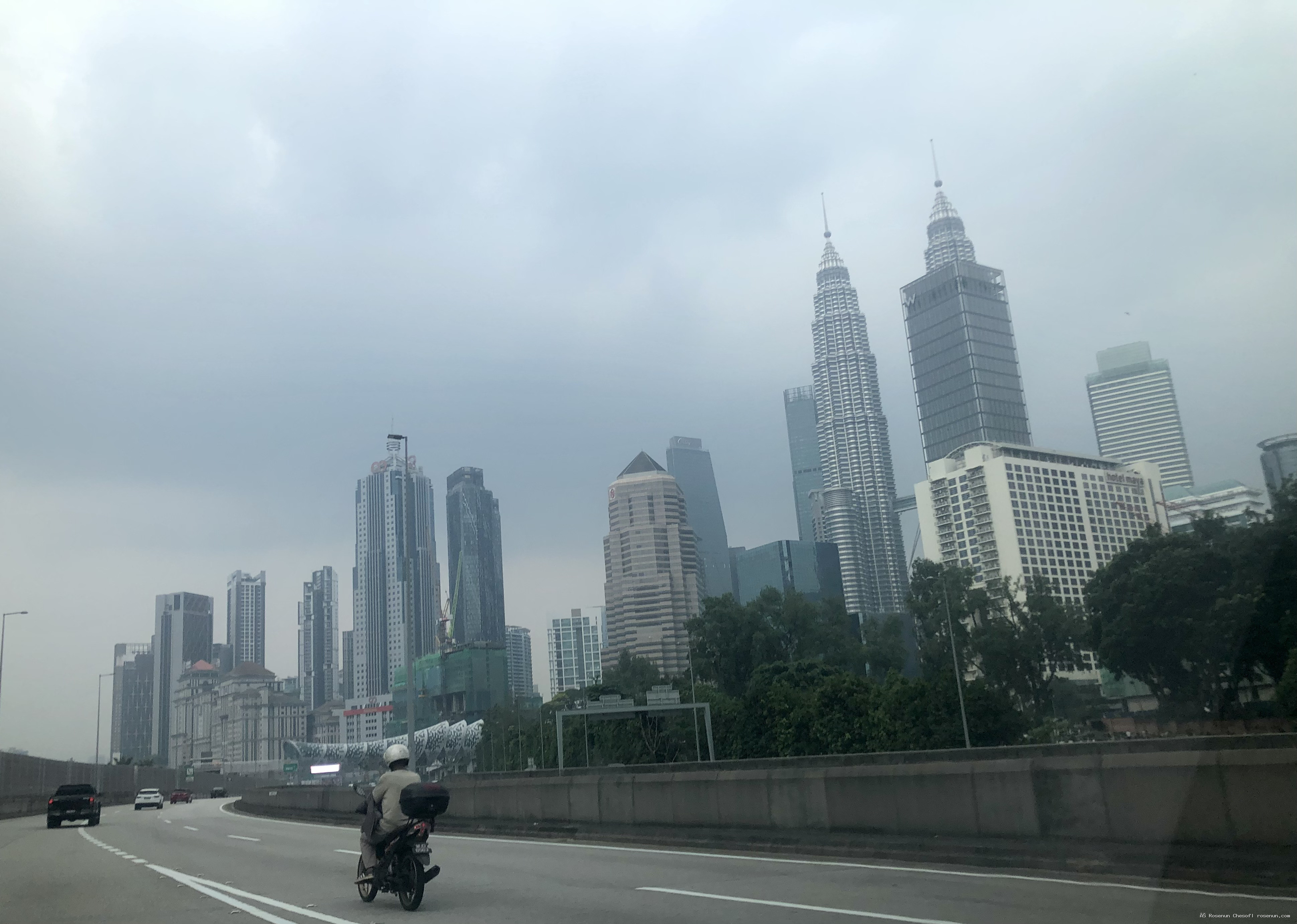
Air quality in Malaysia has yet to return to normal.
On September 19, the government began cloud-seeding operations over Selangor, Kuala Lumpur and Putrajaya after Air Pollution Index readings remained above 150 for an extended period.
By the afternoon, at least 17 areas nationwide were still recording unhealthy air quality. Sarawak remained among the more heavily affected regions, while Cheras in Kuala Lumpur recorded an API of 149 and Batu Muda 121. Malay Mail: Cloud seeding begins in Klang Valley
Conditions were nevertheless better than on September 18, when 35 areas recorded unhealthy API readings and parts of Selangor approached 200.
The improvement remains fragile, however, because air quality can change quickly depending on wind direction and the location and intensity of fires in Indonesia.
Singapore slips back into the unhealthy range
Singapore is also continuing to feel the effects of the regional haze episode.
On September 19, the 24-hour PSI in central Singapore reached 102 in the afternoon and rose to 108 by 6pm, putting the area back in the unhealthy range. Other parts of the country remained in the moderate category.
Singapore’s National Environment Agency said dry weather persisted over Kalimantan and southern Sumatra, while haze was being transported towards Singapore by southeasterly winds.
The agency forecast that the 24-hour PSI could remain between the high-moderate and mid-unhealthy range, with further haze possible if wind conditions remain unfavourable. NEA Singapore: Haze Situation Update, 19 September 2026
Indonesia steps up enforcement over suspected land burning
Indonesia is also intensifying enforcement against those suspected of contributing to the fires.
The Environment Ministry said it had sealed operations belonging to around 50 companies across eight provinces after fire hotspots were detected inside concession areas. Investigations are under way to determine whether the companies were responsible. ANTARA: Government seals 50 companies over forest and land fires
President Prabowo has also called for tougher penalties against illegal burning and the use of fire for land clearing.
Reuters reported that police were pursuing 219 criminal cases involving 162 suspects, while 95 companies were under investigation for possible links to forest and land fires. Reuters: Indonesia president calls for stricter sanctions against forest fire perpetrators
At the same time, criticism of the government’s response is growing.
On September 19, Indigenous and civil-society groups in West Kalimantan filed a class-action lawsuit against President Prabowo and several government agencies, accusing the state of failing to adequately prevent and manage recurring wildfires.
The case was filed in Pontianak and is scheduled for its first hearing on October 7. Reuters: Indigenous and civil-society groups sue Prabowo over forest fire response
It is still too early to say the crisis is ending
The decline in hotspots in some parts of Indonesia is encouraging, but it does not mean the crisis is over.
Indonesia has warned that the wildfire season could continue into early November, particularly if the rainy season arrives later than expected and dry conditions associated with El Niño persist.
The 2026 fire season has been described as Indonesia’s most severe in 11 years, with consequences extending far beyond the areas where the fires are burning.
The impact now includes public health, transport disruption, school closures and deteriorating air quality across neighbouring countries. Reuters: Indonesia's wildfires may last until early November
For now, the latest picture is mixed.
As long as forests and peatlands remain dry and sustained rainfall has yet to return, Southeast Asia’s haze crisis cannot yet be considered over.